Rate cut unlikely until late 2026 amid inflation battle

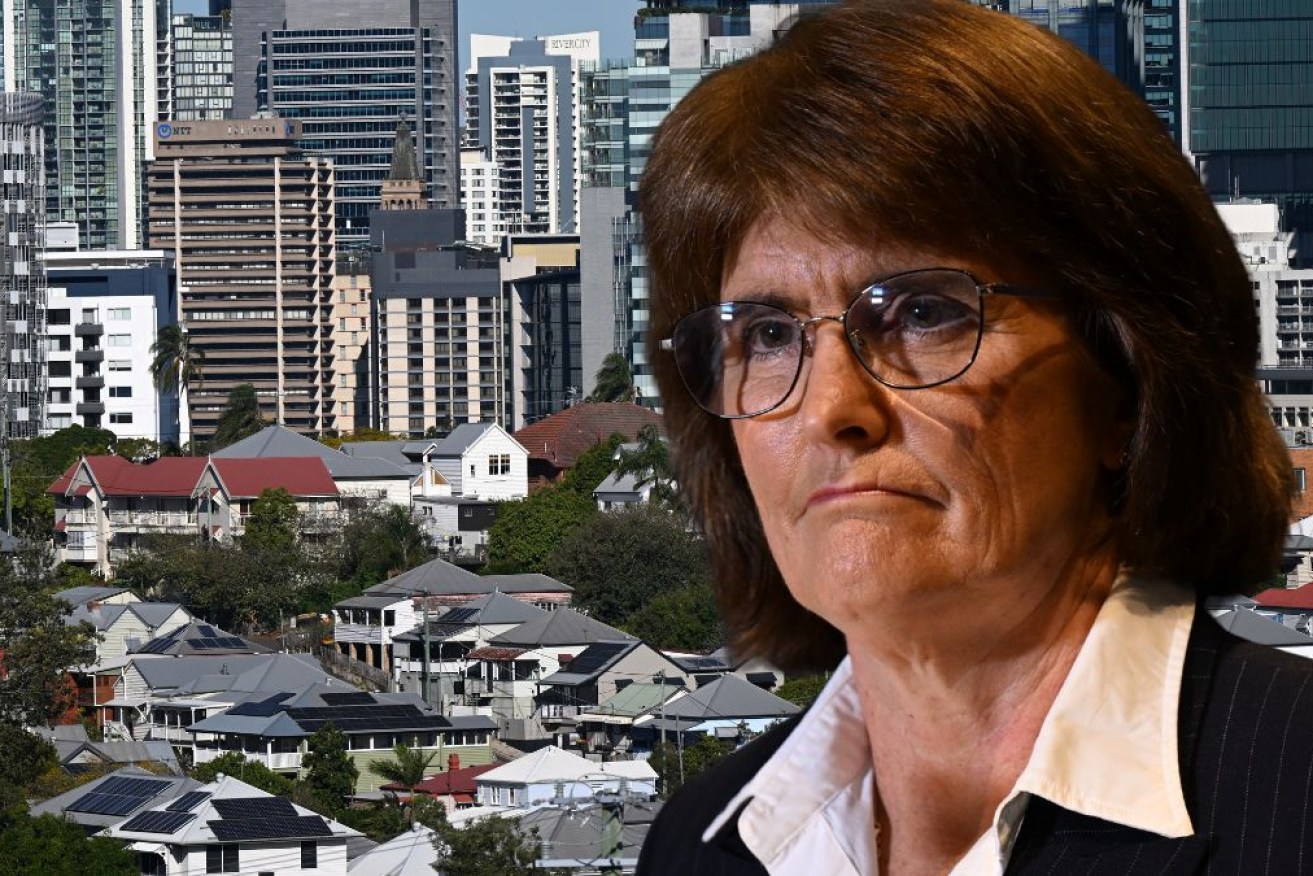
Governor Michele Bullock and the RBA board are monitoring many issues that could affect rates. Photo: AAP/TND
Australian homeowners may have to wait until late 2026, at the earliest, before interest rates are reduced.
The RBA released its updated economic forecasts, which revealed that the battle against inflation was far from over.
It drastically lifted its inflation forecasts after admitting the last estimate was off the mark.
This would likely rule out rate cuts until late 2026 at the earliest.
Explaining the RBA’s decision on Tuesday, governor Michele Bullock admitted they may have “misjudged” the gap between demand and supply that was impacting inflation.
Bullock said surprise factors that had driven up the inflation figures in September included council rates, travel costs and fuel.
“There may be more inflationary pressure than we thought, and inflation in these components tends to be more persistent,” she said.
“At the same time the unemployment rate has gone up.”
Bullock said there was still a bit of “excess demand” in the economy.
“This may be what is manifested in the inflation data.”
Treasurer Jim Chalmers reacted to the latest rate decision, saying that “there’s more work to do”.
“We will continue to work through the issues in our economy, the challenges in our economy, in the most responsible and considered and methodical way,” he said.
Chalmers said Australian mortgage holders were “still under pressure”.
“Those three interest rate cuts are providing a bit of relief but we know that many Australians would have preferred to see more relief delivered today.”
He said inflation had “ticked up” in September in every major advanced economy except the UK where it was flat, but still higher than Australia.
“When we came to office headline inflation was 6. 1. per cent and rising, it’s now around half of that.
“When we came to office trim mean inflation was almost 5 per cent and rising. It’s now been within the target band for three consecutive quarters albeit at the top of the target band now.”
Opposition Finance spokesman Ted O’Brien accused the government of fuelling inflation by spending “four times faster than the economy”.
In a question to parliament, O’Brien said: “Isn’t it time to rein the Treasure in to stop his spending spree?”
Trimmed mean inflation, which removes volatile items and is the central bank’s preferred measure, is now expected to climb to 3.2 per cent by December and stay there until at least June 2026.
In its August update, the bank said it expected underlying inflation to fall to around the midpoint of its 2-3 per cent target range and remain relatively steady.
Since then, September quarter inflation data came in “notably higher than expected” at one per cent, bringing the annual figure to three per cent.
The spike in inflation was partly down to temporary factors like volatile international travel prices and a one-off rise in council rates, as well as some items that were included in the trimmed mean that will be excluded in future readings.
But other factors indicate ongoing inflationary pressures in the economy.
Although unemployment also rose in September, indicators such as low underemployment, a high vacancy rate, and an increase in workers voluntarily quitting jobs suggests the labour market remains relatively tight.
“Overall, recent data add weight to the possibility – identified as a risk in the August Statement – that there is slightly more capacity pressure in the economy than we previously assessed,” the statement said.
The RBA’s forecast assumes interest rates will fall in line with the expectations of money market traders, which would bring the cash rate to 3.35 per cent by mid-2026.
But the statement notes that there would still be some capacity pressures in the economy, assuming the cash rate follows the market path, raising the prospect that the RBA keeps rates on an extended pause to bring the economy back into balance faster.
While underlying inflation is the bank’s main focus, Australian consumers are more attuned to headline inflation, which covers the full range of prices including volatile items.
And Australians are in for a bumpy ride, with the headline figure set to take off to 3.7 per cent by mid-2026 as federal government energy rebates come to an end.
Unemployment is predicted to stay around 4.4 per cent, after bouncing to 4.5 per cent in September, while growth in Australia’s gross domestic product is expected to hit its trend rate of two per cent this year, up from the previous forecast of 1.7 per cent.
The RBA also noted the global economy has been more resilient than expected in the face of US President Donald Trump’s tariffs.
China, Australia’s largest trade partner, has managed to find alternative markets for its exports but a slowdown in investment remains a risk to Australia’s economic growth outlook.
Much will depend on what Chinese authorities land on for next year’s growth target and its upcoming five-year plan, which are set to be determined in the coming months.
-with AAP
Want to see more stories from The New Daily in your Google search results?
- Click here to set The New Daily as a preferred source.
- Tick the box next to "The New Daily". That's it.
RBA’s inflation warning stokes rate rise fears