What to consider before upgrading your TV at home
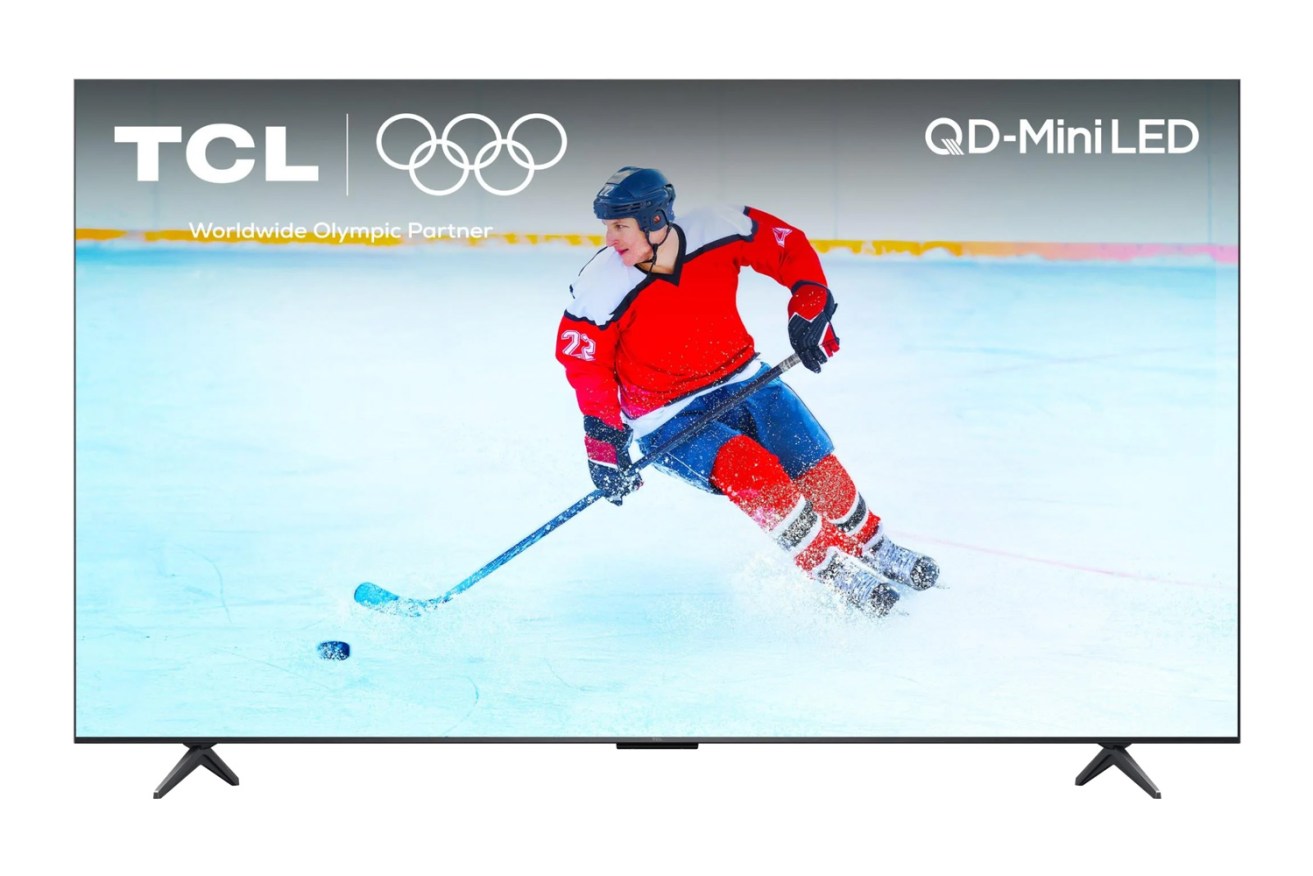
Before you upgrade your TV, take a moment to consider what really matters once you’re settled in on the couch. Image: supplied JB Hi-Fi
Buying a new TV seems straightforward. You find a screen you like, note the price and think your search is over. For many people, that’s usually where the process should end. But when you start looking at a range of TVs, it becomes clear the decision isn’t always that simple.
Before upgrading, it’s worth pausing to think beyond the first pick. This can help avoid second-guessing later, rather than being led by specs that sound impressive but don’t make much difference once you’re actually watching TV.
Here’s what to consider before you make the purchase.
How you watch TV
Not everyone watches TV the same way. Some people rely on free-to-air channels, while others stream most of their content or spend hours watching sport. Your viewing habits shape what you’ll notice on screen and which features are worth paying attention to.
If you spend a lot of time watching live sport or gaming, motion handling and refresh rates become a priority. For movie nights and binge-watching, contrast and colour depth make the biggest difference, especially in low light. Focusing on your specific use means you can find a TV that genuinely enhances your viewing experience.

It’s not just the size of the screen — it’s how far you sit and how your room is set up. Image: supplied JB Hi-Fi
Your room and viewing distance
Instead of looking at size in isolation, it helps to think about how far you sit from the screen and how the room is laid out. A TV that looks fine in the store can feel overwhelming or underwhelming once it’s in place.
In many living rooms, 55 to 60-inch TVs are a great all-rounder because they feel big enough for a shared space without needing you to sit too close. Smaller rooms may suit a 48 to 50-inch screen, while open-plan spaces can usually handle a 65 to 70-inch model as long as there’s enough viewing distance. The key is understanding why those sizes make sense for the space, not just following trends.
Where the TV will sit
It’s also worth thinking about placement early on. Wall mounting can give a cleaner look and save space in smaller rooms, while a TV unit often works better if you connect multiple devices that need easy access. Considering this upfront makes it easier to picture the TV in your home and helps avoid cable clutter or awkward layouts later.

The right screen can keep colours clear — even if they are in full daylight. Image: supplied JB Hi-Fi.
Screen technology and lighting
Lighting plays a bigger role than many people expect. Bright living rooms with lots of natural light can affect glare and picture clarity throughout the day.
LED and QLED TVs tend to perform well in brighter spaces because they can reach higher brightness levels, while OLED TVs usually suit darker rooms where contrast stands out more. Matching screen technology to your room lighting helps the picture look consistent, not washed out or overly dim.
Getting clarity before you buy
After working through these points, you should have a clearer sense of what TV fits your space and habits. You’re no longer second-guessing features or prices, but know what you need and why it works for your home.
JB Hi-Fi, Australia’s largest consumer electronics retailer, can help at this stage. You can compare screens in person, see picture quality for yourself and get a feel for the right size and setup for your room. This hands-on context helps build confidence in your final choice.
Whether you browse online or visit in-store, taking this time to consider your needs helps make your TV upgrade a decision you’ll be happy with for years to come.
Want to see more stories from The New Daily in your Google search results?
- Click here to set The New Daily as a preferred source.
- Tick the box next to "The New Daily". That's it.