Ex-soldier found not guilty over Bloody Sunday killings
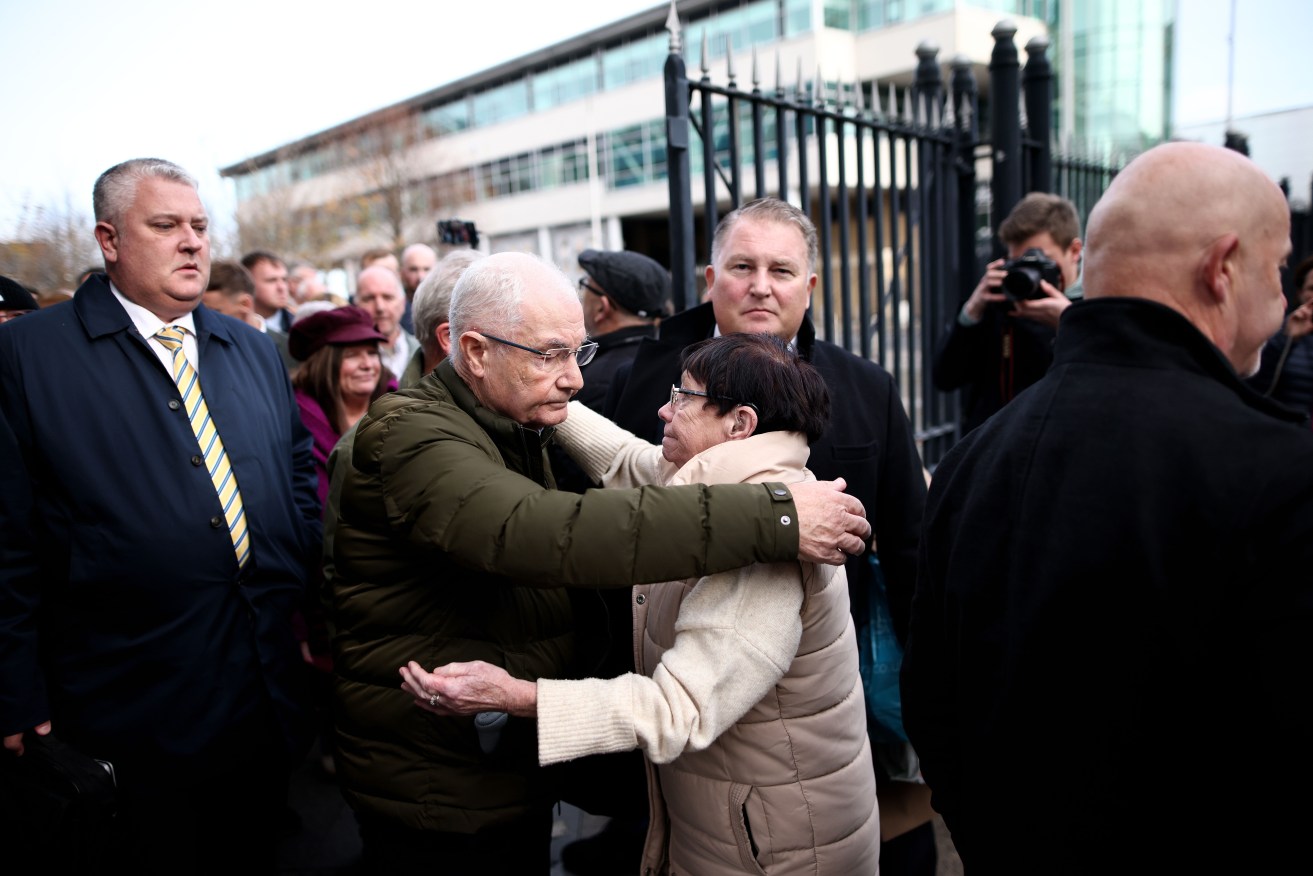
Mickey McKinney, brother of William McKinney, says he blames the UK for the prosecution failure. Photo: AAP
A Belfast court has found a British soldier not guilty of murder in the only trial of a member of the UK armed forces over the 1972 “Bloody Sunday” killings of 13 unarmed Catholic civil rights marchers in Northern Ireland.
The British government in 2010 apologised for the “unjustified and unjustifiable” killings, when members of the army’s elite Parachute Regiment opened fire in the mainly Irish nationalist city of Londonderry in one of the defining moments of Northern Ireland’s recent history.
But all efforts to prosecute soldiers have failed and many relatives of victims and their supporters believe the chance of a successful prosecution of British armed forces is remote.
Belfast Crown Court was silent when the verdict was read on Thursday (local time).
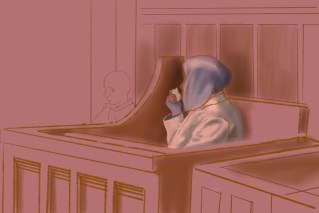
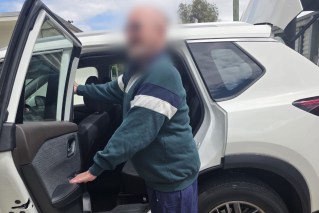
The soldier, who cannot be identified legally and is known as Soldier F, was in court but hidden behind a blue curtain to protect his identity. He was found not guilty of killing two men and trying to kill five others.
Judge Patrick Lynch said in his verdict that he was satisfied that soldiers had lost all sense of military discipline and opened fire with intent to kill and that “those responsible should hang their heads in shame”.
But he said the case fell short of the burden of proof.
“Delay has, in my view, seriously hampered the capacity of the defence to test the veracity and accuracy of the hearsay statements,” he said.
“The evidence presented by the Crown … signally fails to reach the high standard of proof required in a criminal case; that of proof beyond a reasonable doubt.”
Mickey McKinney, brother of William McKinney, one of the two victims named in the case, said he blamed the failure to successfully prosecute any soldiers squarely on the British state.
“Soldier F has been discharged from the defendant’s criminal dock but it is one million miles away from being an honourable discharge,” McKinney said outside the court.
Bloody Sunday became one of the defining events of the Troubles, three decades of sectarian violence involving nationalists seeking a united Ireland, unionists wanting Northern Ireland to remain a province of the United Kingdom as well as British forces.
The shootings fuelled suspicion of the authorities among the Catholic minority and prompted dozens to join the Irish Republican Army’s violent campaign against British rule.
Thirteen people, all unarmed Catholics, were killed when the soldiers opened fire in the staunchly nationalist Bogside area of Londonderry on January 30, 1972. A 14th victim later died from wounds sustained on the day.
The troops said they shot at people armed with guns or nail bombs.
A 1998 peace deal largely ended the bloodshed.
Soldier F was not called to give evidence during the one-month trial, which was heard without a jury.
Defence lawyers called no witnesses and said that the core of the case, military statements taken more than 50 years ago, was manifestly unreliable, with no independent supporting evidence offered to back the prosecution case.
Earlier in the trial the court heard a short statement Soldier F gave to police in 2016. He said at the time that while he was sure he properly discharged his duties as a soldier that day, he no longer had any reliable recollection of the events and was unable to answer officers’ questions.
The British government’s 2010 apology came after a judicial inquiry concluded that the victims were innocent and had posed no threat to the military. It was been set up by then British PM Tony Blair in 1998, after an original 1972 investigation absolved the paratroopers of blame.
In a statement on the verdict, the Starmer government said on Thursday that it was “committed to finding a way forward that acknowledges the past, whilst supporting those who served their country during an incredibly difficult period in Northern Ireland’s history”.
Want to see more stories from The New Daily in your Google search results?
- Click here to set The New Daily as a preferred source.
- Tick the box next to "The New Daily". That's it.