Australia spends more on investor tax breaks than on social housing and homelessness combined

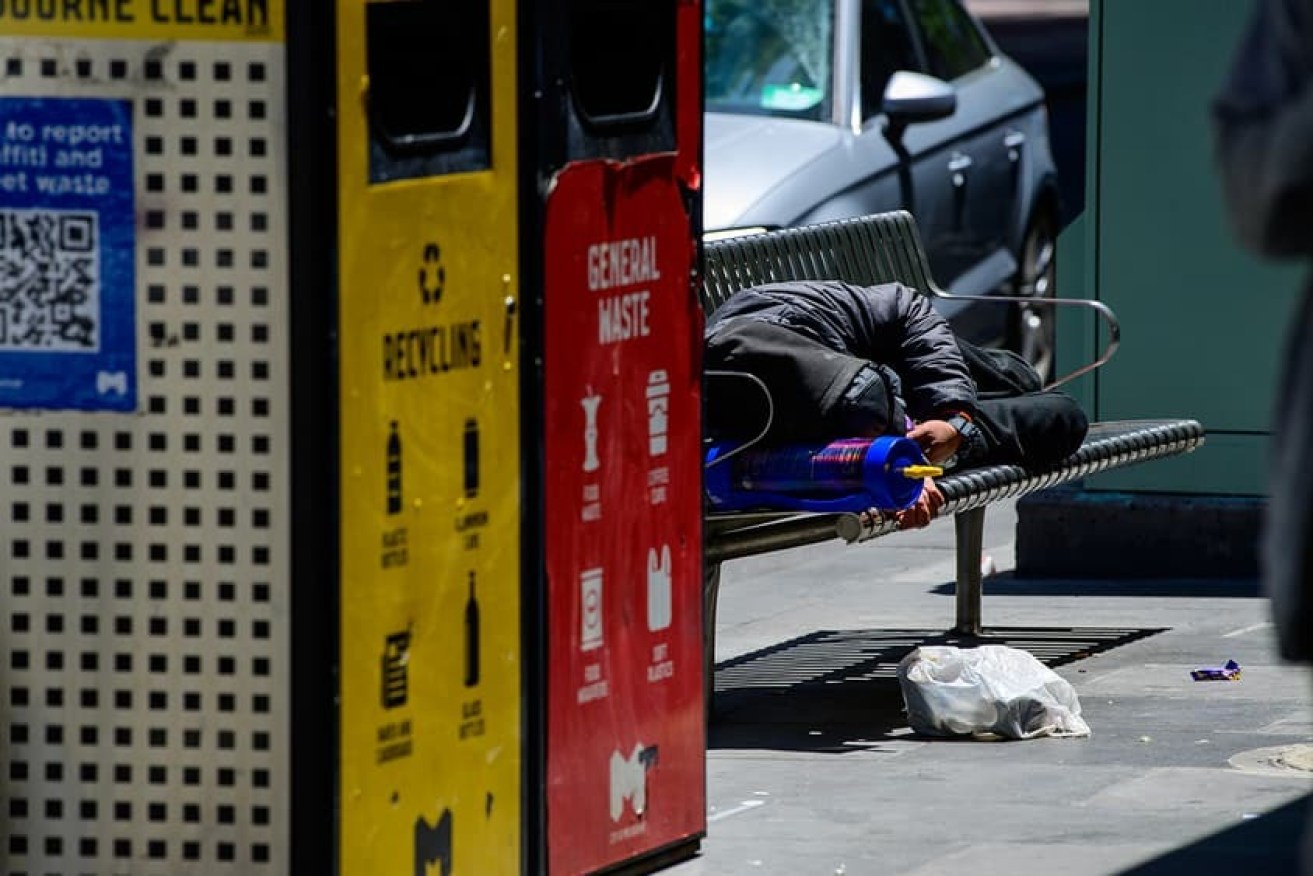
Almost half of people waiting to access public housing are homeless or at risk of homelessness. Photo: AAP
As Australia’s housing crisis continues to worsen, the Albanese government has been accused of prioritising property investors over those facing serious financial stress and homelessness.
The 2026 Report on Government Services shows 41 per cent of people waiting to get into public housing are homeless or at risk of homelessness – up from 26 per cent in 2015.
However, while the Commonwealth provided $12.3 billion in tax breaks to property investors in 2025, it spent only $9.6 billion on social housing, homelessness services and rent assistance combined.
“This report shows housing stress and homelessness are getting worse while absurdly generous tax breaks drive up home prices and supercharge inequality in our society,” Australian Council of Social Service acting CEO Jacqueline Phillips said.
Those tax breaks are increasingly being blamed for locking first-home buyers out of the housing market while investors accumulate multiple properties.
“The Australian government has been very successful in helping investors buy their third, fourth, and 10th house. Now 1 per cent of taxpayers own a quarter of all investment properties,” Australia Institute senior economist Matt Grudnoff said.
Meanwhile, ACOSS analysis shows social housing is at a record low, accounting for less than 2 per cent of dwellings built today. By contrast, in the 1950s it made up roughly 22 per cent of annual housing construction.
“More people are struggling to afford the private rental market, pushing them into homelessness and onto growing social housing waitlists,” Phillips said.
With only 3.6 per cent of all dwellings allocated for social housing, the situation “is set to worsen, not improve”, she said.
It comes as Treasurer Jim Chalmers on Thursday repeatedly declined to rule out lowering the capital gains discount for property investors after a report in the AFR that it was being considered.
While a final decision has not been made, government sources say there was an appetite to pursue housing-related reform.
The Greens argue the situation has spiralled due to Labor’s Home Guarantee Scheme, which allows first-home buyers to purchase a property with a 5 per cent deposit without having to pay lender’s mortgage insurance.
“We are in a housing crisis and the government is adding fuel to the fire,” the Greens spokesperson for finance, housing and homelessness, Senator Barbara Pocock, said.
“Labor’s policies are driving up house prices, rents continue to skyrocket, and waits for social housing are getting longer.”
With the cost of living getting worse, about 190,000 households are on the public housing waitlist, up from about 169,000 in 2024 and about 141,000 in 2018.
ACOSS is advocating for the federal government to gradually halve the 50 per cent capital gains tax discount and phase out negative gearing over five years.
“Property investor tax breaks come at a staggering cost of more than $12 billion each year, which could be spent on social housing, social services and supports that benefit everyone,” Phillips said.
The organisation, which advocates for people affected by poverty, disadvantage and inequality, says curbing the CGT discount would reduce home prices by up to 4 per cent across the market, and increase home ownership by up to 5 per cent.
Grudnoff agreed, saying “if you want to get out of the hole you’re in, you should first stop digging. Scrapping the capital gains tax discount and winding back negative gearing is the first step in fixing the housing crisis”.
Without those actions, the Greens warn the housing crisis will persist with no end in sight.
“Labor needs to treat housing as a human right instead of a game of monopoly,” Pocock said.
“What we need is real action and that means winding back tax breaks for wealthy property investors, as well as building affordable houses in the places where Australians need them.”
ACOSS maintains that setting national social housing targets and markedly expanding supply is essential to addressing the crisis.
It argues the government should aim for social housing to comprise at least 6 per cent of homes within a decade – a target that would require an average of 36,000 additional dwellings each year.
The Albanese government set up the $10 billion Housing Australia Future Fund in 2023 to help deliver more social and affordable housing but Pocock argues it’s “too slow and too complex”.
“Labor needs to stop faffing around with the HAFF … and stop fuelling demand with policies like the 5 per cent deposit changes,” she said.
“The government must immediately fund social and affordable housing directly to drive down rental prices.”
This article first appeared in The Point. Read the original here.
Want to see more stories from The New Daily in your Google search results?
- Click here to set The New Daily as a preferred source.
- Tick the box next to "The New Daily". That's it.
Gagging and blacklisting: What's going on in the NT
How Pauline Hanson might have finally gone too far


Labor’s migration plan: Politics or a real solution

Pork barrel rolls out again – it's time for a change
Long-awaited migrant plan reflects needs and fears
Labor to stop ‘visa hopping’ in migration crackdown

Foreign students' families blocked in migration plan