Diggers’ descendants unearth their Anzac roots
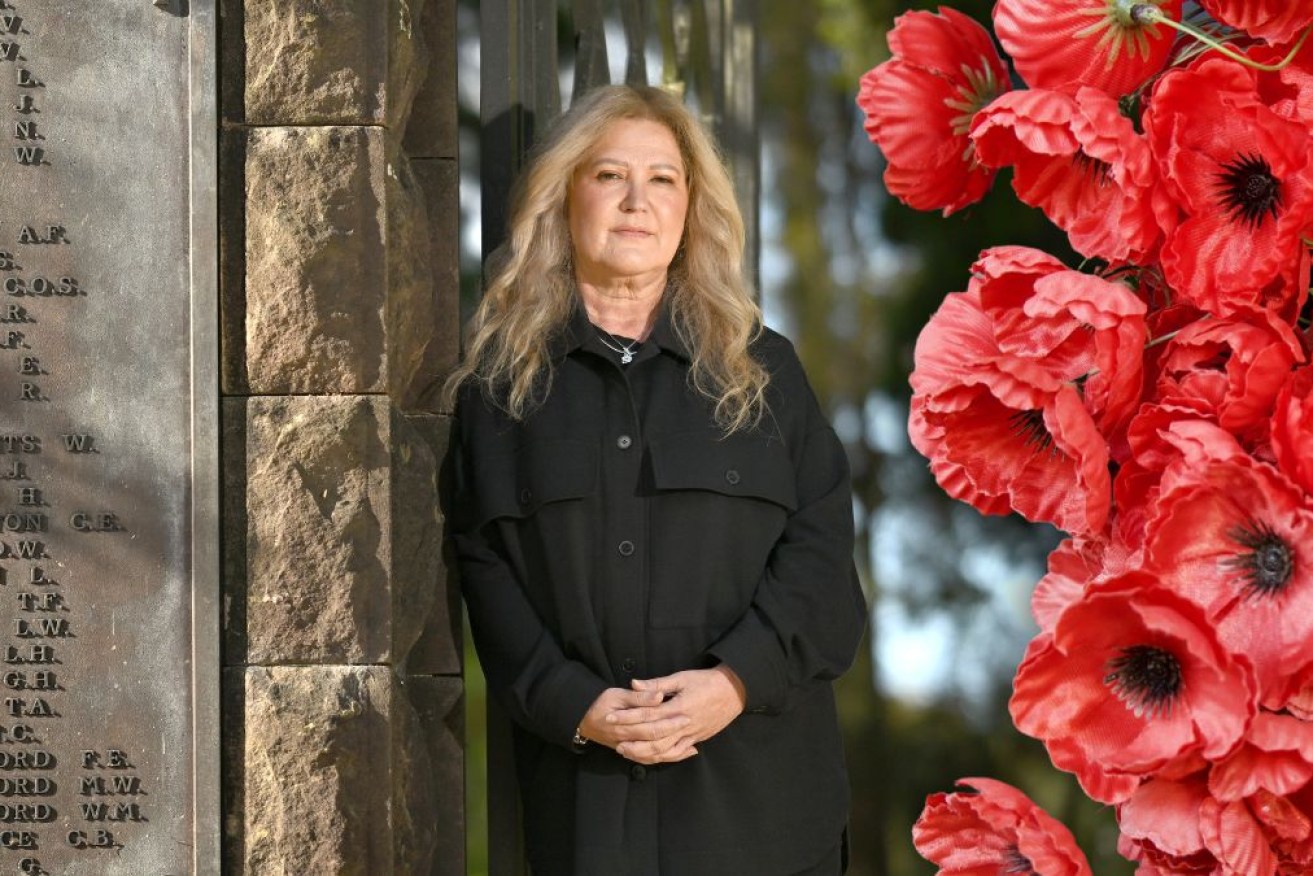
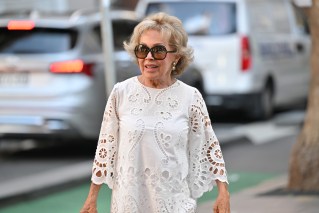
DNA helped Susan Napper trace a digger in her family tree – as well as lost relatives. Photos: AAP/TND
He survived Gallipoli and the Western Front but, so goes the family legend, Edward Moran couldn’t endure a broken heart.
At least, that’s what his great-grand-niece Susan Napper discovered after decades of clawing her way up the family tree.
Having enlisted at 19, Moran survived the First World War but died two years after returning home, claimed by a mysterious heart illness which his family soon fashioned into folklore.
“He was a young bloke basically living his best life,” Napper said.
“He acquired some kind of heart injury when he was there … and he died way too young.”
Moran was among the more than 400,000 Australians, from a population of barely five million, who signed up to fight in the war.
More than 60,000 died but most returned, lived on, fathered, grandfathered and great-grandfathered hundreds of thousands of Australians alive today, including Napper.
Everyone who fought in WWI and nearly all of their children are dead; it’s thought the last surviving Australian combatant at Gallipoli died in 2002.
The ravages of the intervening century have also put thorns, knots and dead limbs in many family trees.
Napper was adopted. When NSW lifted its state-imposed veil on family records in 1990, she found that her maternal grandmother was too.
“My adopted parents were told they were not allowed to tell me who my family was,” she said, labelling the laws “diabolical”.
“There’s a term called genealogical bewilderment … it just means you don’t know who you are.”
Napper began mapping her own lineage before records were digitised – when it involved combing through physical archives, unsheathing wads of documents and fiddling with microfilm reels.
That effort got her as far as her immediate flesh and blood. But to reach Moran, she needed to spit in a test tube.
“That was a Pandora’s box,” she said.
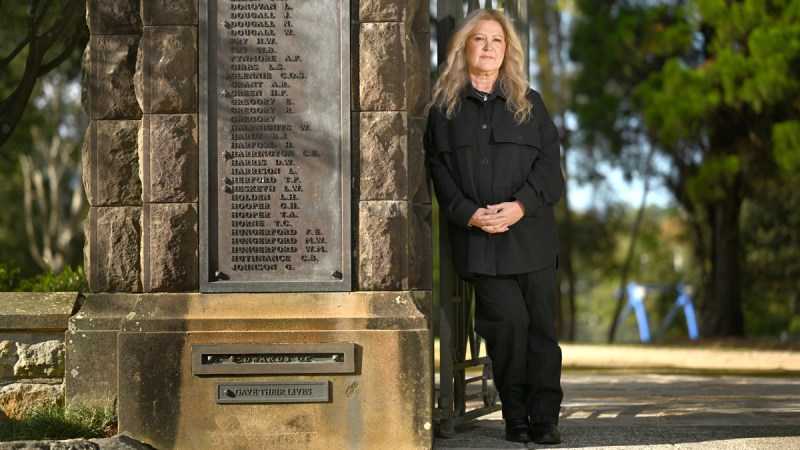
Susan Napper knew nothing of her own family before turning to DNA records. Photo: AAP
Napper’s DNA results unmasked scores of cousins with whom she shared an ancestor – a family of strangers she could then trace up through the generations.
From an adoptee who grew up not knowing a single blood relative, Napper was now looking at a complex, elaborate family tree.
“I was at home in my study and … it’s quite an overwhelming feeling,” she said.
“But in a good way.”
A few generations above one of her second cousins, Napper finally found Edward Moran. Also – on the lower branches – were lots of living relatives and some new friends.
Genealogy facebook groups, forums for adoptees and gatherings for people who don’t think they know their real fathers are injecting human connection into the now digitised hunt for ancestry records.
Napper has also caught up with distant relatives in New York, Los Angeles and Las Vegas.
Jason Reeve from genealogy service Ancestry.com, said Anzac Day often sparked a desire to go snooping for family history treasures.
“Absolutely it is a time of year where we see a spike in users coming onto the site and doing research,” he said.
“We all know that our ancestors were born and that they died … that’s not that interesting. But when we start telling them about the work they did … their service record … this-was-their-life kind of information, that’s where people get really interested.”
Australian ancestry trailblazers seldom have to contend with shoddy records, or an officious streak that can be present in Britain and US, which Reeve attributes to our colonial inheritance.
WWI Anzacs were overwhelmingly of European origin, and ethnically European Australians who go looking for diggers sometimes uncover figures they would rather have left buried.
Reeve’s own best friend stumbled on a not-too-distant relative who wrote about aiding atrocities on the colonial frontier. But he said such a prospect wasn’t anything to fear.
“That was confronting but I think an awareness of it also influences you as a person,” he said.
“It gives you that kind of critical thinking approach to family and history and to your own life.”
For Napper, who’s adoptive father and brother served in the defence force, unearthing a digger was a pleasant surprise.
While her ancestor Moran didn’t leave behind any diaries or letters, she could still cobble together his story through the fragments of official documents and newspaper clippings.
“He got into trouble once for not wearing his hat,” she said.
“It was towards the end of the war as well, and I read that he was just fed up by that point.
“He’d had enough.”
-AAP
Want to see more stories from The New Daily in your Google search results?
- Click here to set The New Daily as a preferred source.
- Tick the box next to "The New Daily". That's it.