Beyond 2026: What Australian cities could look like in 50 years

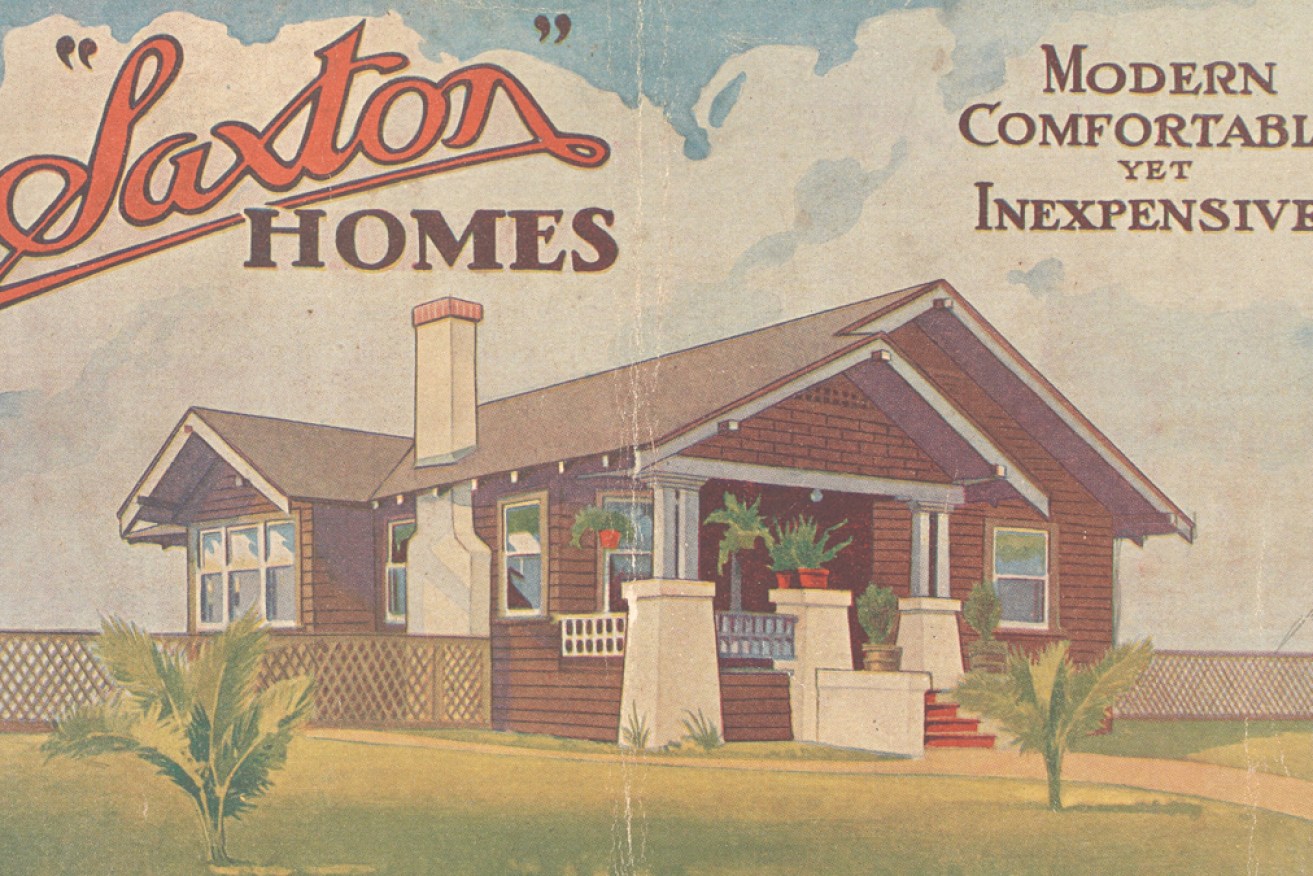
The mass adoption of private cars shaped our cities. Now they're changing again. Photo: Museums of History NSW
With Australian cities confronting population growth, affordability pressures and the lingering aftershocks of 20th-century planning decisions, one expert believes the next 50 years will be defined less by expansion and more by reconnection.
Drawing on decades of work, including projects such as Western Sydney International Airport, Sydney Metro West and Parramatta Light Rail, architect and urban thinker David Holm argues our future cities will be shaped by choice, proximity and the return of human-scaled living.
His newly released book Drawing the City is a global study of what makes a city work – and what makes it fail.
While cars once revolutionised the way Australians lived and spread their cities outward, Holm said the pendulum was swinging back toward walkable, village-style communities stitched together by high-quality transport infrastructure.
“What people are embracing now are cities where you have great transport connections within the city and outside it, with strong airports, rail and active transport,” he said.
“At the next level down, cities will become a series of smaller villages, where people know their local grocer and feel connected to their community.”
Transport as public place, not just movement
As infrastructure evolved from purely functional systems into civic spaces, Holm said transport would increasingly influence where Australians chose to live and what they valued in a home.
Rather than prioritising driveway space or garage size, future buyers might place greater importance on access to clean, safe and frequent public transport that reduced reliance on private cars altogether.
“When you tier the city properly, you reduce the impact of the personal car,” he said. “You can live locally, walk to shops and schools, then use rail or light rail to get to work, across suburbs or even city to city.”
While heavy rail once carved hard lines through neighbourhoods, Holm points to light rail as an example of softer infrastructure that connects rather than divides.
Referencing projects such as Sydney’s Parramatta Light Rail, he said well-designed transport could gently integrate into streetscapes, encouraging walking and reinforcing the idea that a five-minute, 400-metre walk should meet most daily needs.
As remote work and online retail reshape traditional centres, Holm believes mercantile spaces will survive by offering experience.
“People still want to smell the coffee, try on the suit and engage with others,” he said. “Retail will evolve so you might experience products locally, but the stock comes from elsewhere. What people are really seeking is personalisation and connection.”
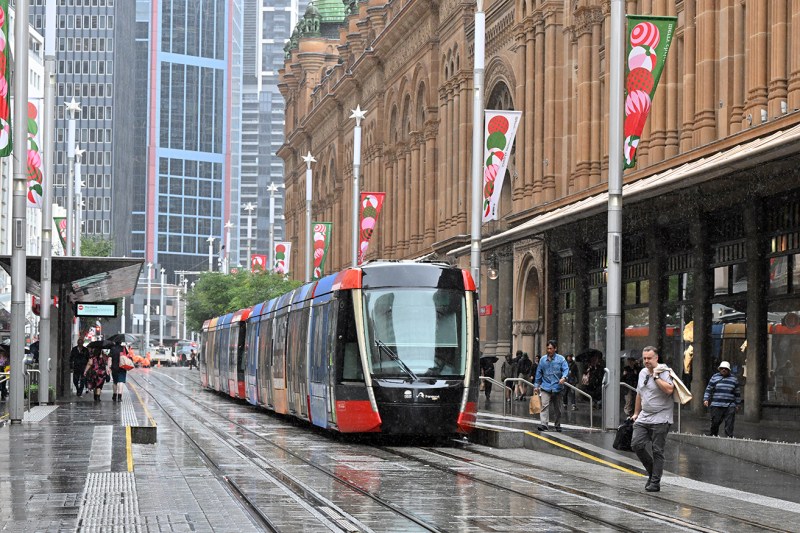
Sydney’s light rail connects neighbourhoods and supports walkable, human-scale communities.
Density, housing and the role of public space
As housing affordability and homelessness increasingly define our cities, Holm said architects and planners had a responsibility to rethink density as an opportunity instead of a compromise.
Australia has traditionally grown horizontally, but Holm said geographical limits in cities such as Sydney and Melbourne meant tighter density was inevitable.
“If we continue building further and further out, we lose our sense of community,” he said. “But if density is done well, it changes how we live and increases the importance of public space.”
With smaller, private dwellings likely to become the norm, streets, parks and civic spaces will play a greater role, acting as shared living rooms for cities.
“If living units become smaller, people will want to go into the street, play with their kids, gather and connect,” Holm said.
“Public places become the respite.”
He also saw modular construction as a key tool in resolving both affordability and homelessness, with modules built off site to speed up delivery and allow more flexible housing solutions.
“We’re already seeing this with student housing and build-to-rent,” he said. “Those same models can support short-term and transitional housing that helps people stabilise and move forward.”
Looking ahead for Australia’s two largest cities, Holme predicted Sydney and Melbourne would continue their shift away from single-CBD models, leaning into polycentric urban forms.
While Sydney will increasingly orbit around Parramatta and the Western Sydney Airport alongside its historic harbour core, Melbourne is likely to increasingly have jobs and services nearer to where people live, reducing commute times and car dependency.
Let’s face it, cities evolve. But Holm warned the biggest mistake would be closing off spaces with a view to control or safety.
“The most unsafe places are often the ones that are locked up,” he said. “Cities thrive when places are open, shared and accessible, even if ownership is complex.”
Ultimately, as Australian cities become taller and denser, Holm believes their success will hinge on a simple principle: Designing places that feel human.
“We want to live in small communities but stay connected to big cities,” he said.
“If we get that balance right, our cities won’t just grow, they’ll thrive.”
Republished from View.com.au
Want to see more stories from The New Daily in your Google search results?
- Click here to set The New Daily as a preferred source.
- Tick the box next to "The New Daily". That's it.