Anti-corruption watchdog defends lack of public hearings on robodebt

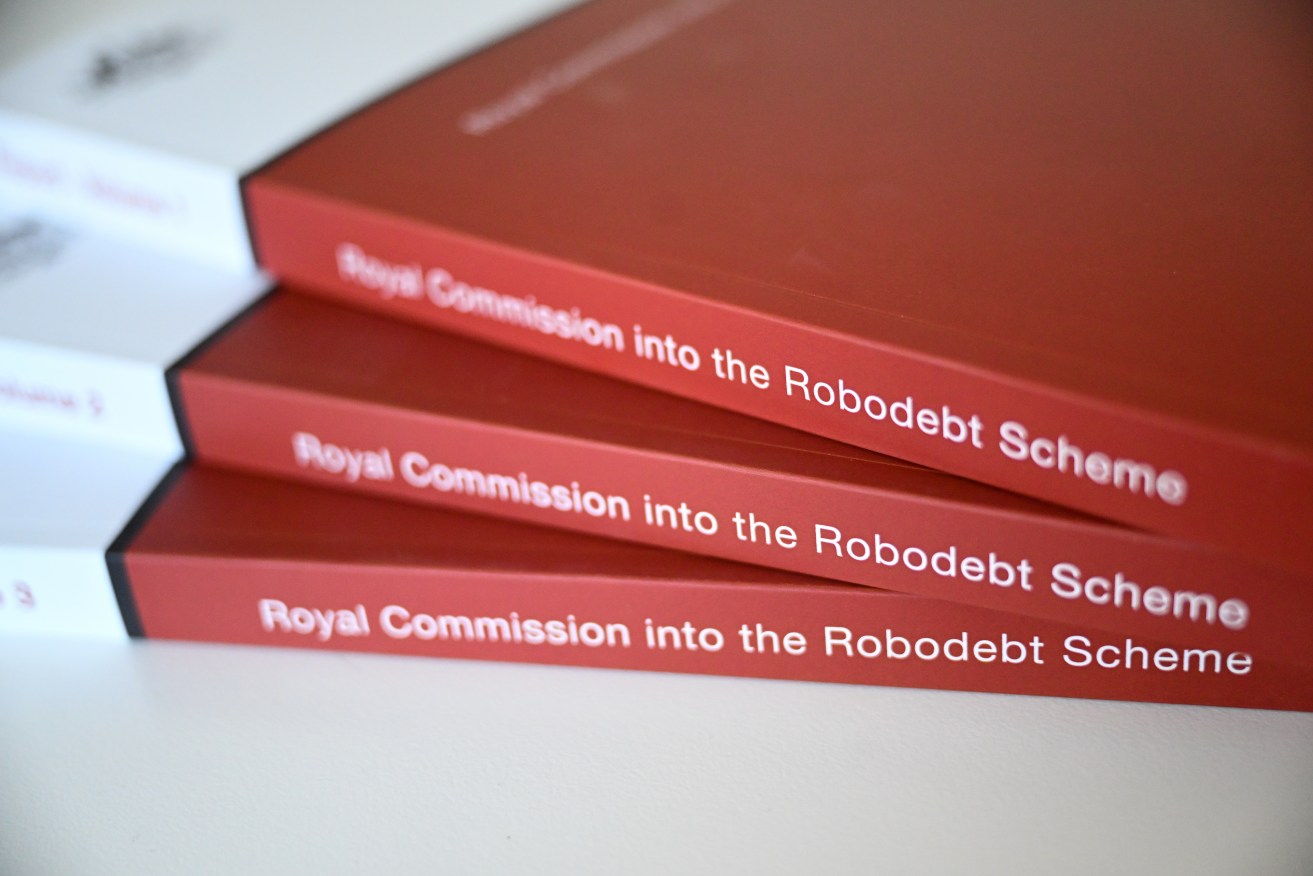
There have been questions about the lack of public hearings the NACC has held into robodebt. Photo: AAP
Australia’s corruption watchdog is calling for slack as it investigates one of the nation’s darkest chapters amid community criticism about a lack of public hearings and delays to finalising issues.
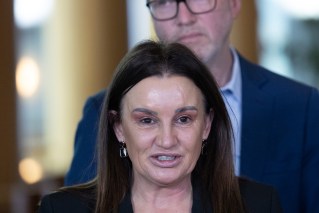
National Anti-Corruption Commission deputy commissioner Kylie Kilgour said the body was wary that every time it did something it was for the first time and “you don’t want to muck it up”.
The NACC can hold public hearings only in exceptional circumstances, when it’s in the public interest.
But critics have questioned why there have been no public hearings in the commission’s more than two years of operation, citing it as evidence that the federal government made the threshold too high.
“Absolutely, we will do a public hearing. We just don’t have the right matter – none of the public hearings we’re doing meet that mark as of today,” Kilgour told an anti-corruption commission conference in Melbourne on Monday.
“We’re ready to do it … we have people trained, we’re doing plenty of private hearings.”
One of the more controversial matters is the anti-corruption commission’s investigation of six officials referred to it by the robodebt royal commission.
The unlawful debt recovery scheme issued tens of thousands of false debts by using income averaging and resulted in multiple suicides.
Kilgour is investigating the six people referred to in the royal commission’s final report, for corrupt conduct. Their names have never been made public.
Kilgour said she would be as open and transparent as she could be when the investigation was complete, including on the initial decision by the anti-corruption commission not investigate the referral – a decision that was later overturned.
“When I can I’ll speak much more publicly about all of that,” she said.
“It’s being taken extremely seriously.”
On the same panel as Kilgour, the Centre for Public Integrity’s Geoffrey Watson urged her to hold public hearings, as the royal commission did.
Watson called for the exceptional circumstance test to be flipped and all hearings to be public unless there was a good reason for it to be kept private.
Accountability Round Table’s Colleen Lewis questioned the arguments about not holding public inquiries to protect a person’s reputation. She said the NACC’s extremely high bar was a significant flaw.
“I maintain the reason given by MPs for removing or for erecting high barriers to the use of public hearings by anti-corruption commissions is counterproductive to democracy, as secrecy is democracy’s enemy,” she said.
MPs justify it as protecting innocent people’s reputations from being tarnished at a public hearing or conducted by an anti-corruption body.
“But aren’t so innocent people’s reputations called into question in courts, in royal commissions, in the media, or through parliamentary privilege?” Lewis said.
She said none of these open justice principles should be curtailed, and asked why that meant stringent barriers for public hearings by anti-corruption commissions.
Lifeline 131 114
beyondblue 1300 224 636
-AAP
Want to see more stories from The New Daily in your Google search results?
- Click here to set The New Daily as a preferred source.
- Tick the box next to "The New Daily". That's it.