Contentious massacre-spurred crackdown rammed through
Source: AAP
Controversial anti-protest laws and tightened gun restrictions have cleared their final hurdles despite opposition, with civil liberties groups vowing a court challenge.
NSW Premier Chris Minns succeeded in pushing through legislation to cap gun ownership, limit magazine capacity and tighten regulation around gun licences following the Bondi terrorist attack that killed 15 people.
The marathon debate in the Legislative Council ended close to 3am (AEDT) on Christmas Eve.
Omnibus legislation spanning gun reform, protest restrictions and hate speech crackdowns passed 18 to eight votes after a two-day emergency session of the NSW Parliament.
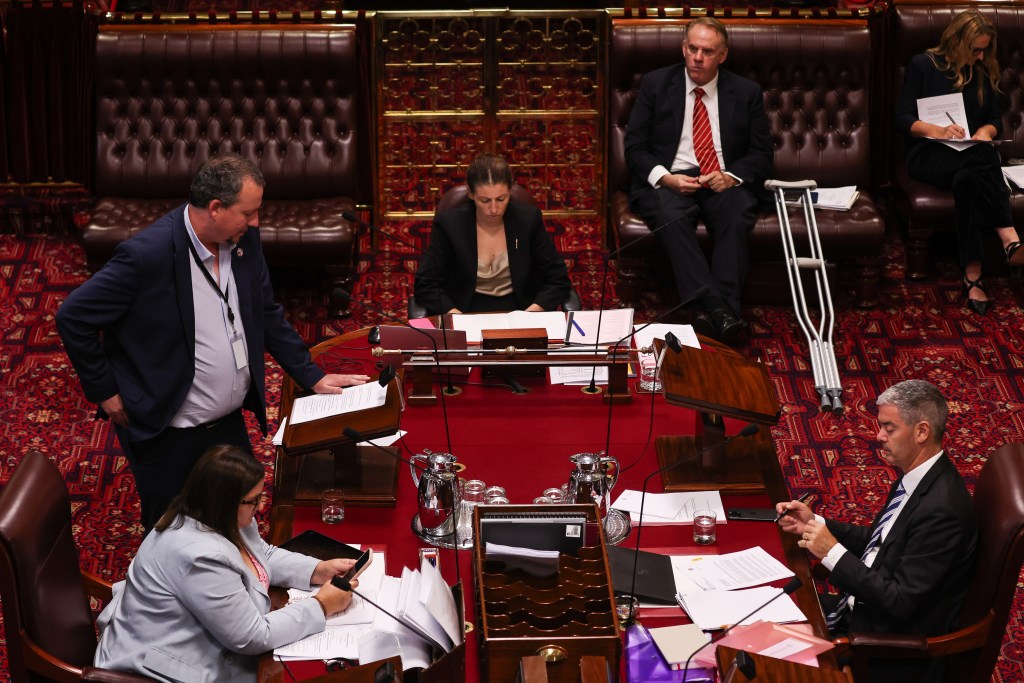
Under the laws, public gatherings can be restricted following a terrorist incident. Photo: AAP
The reforms were supported by the Liberals but not the Nationals, who oppose further firearm restrictions.
Police powers to prevent public gatherings after a terrorist event also passed. But they will face a legal challenge as opponents brand the change draconian and an overreach.
Public assembly can be restricted for up to 90 days following a terrorist incident.
Palestine Action Group and Jews Against the Occupation are challenging the protest provisions in court.
“These laws will take away the rights of everyone in NSW to gather together as a community to express their views,” Josh Lees from the action group said.
Minns said he was confident the laws would withstand the legal challenge.
But even members of Minns’ back bench spoke out in parliament against the crackdown, with Anthony D’Adam and Stephen Lawrence calling it disproportionate.
Lawrence said the ban could lead to violence if the outlet of peaceful protest was removed, essentially creating a pressure cooker.
“This could go so wrong,” he said.
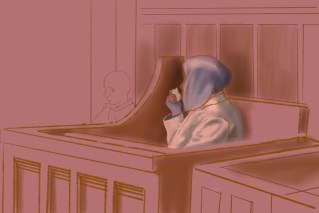
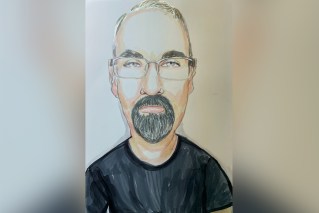
Source: NSW Local Court
Deaths could have ‘quadrupled’
The death toll from the Bondi massacre could have been four times as high had shrapnel-filled bombs detonated after they were allegedly thrown by two gunmen into a crowd celebrating Hanukkah.
The alleged terror plot by Islamic-State-inspired shooters was “entirely predictable”, experts say, as the fallout continues from the December 14 rampage.
Surviving gunman Naveed Akram, 24, and his dead father, Sajid Akram, 50, are accused of carrying out Australia’s worst mass shooting since 1996 when they opened fire on a crowd of Jewish faithful at Bondi Beach.
The full case against Naveed was revealed in court documents that highlighted how he and his father, who was killed during the attack, planned and perpetrated the massacre.
But the number of casualties could have been far worse had the gunmen been able to detonate five homemade bombs they allegedly threw into the crowd, experts say.
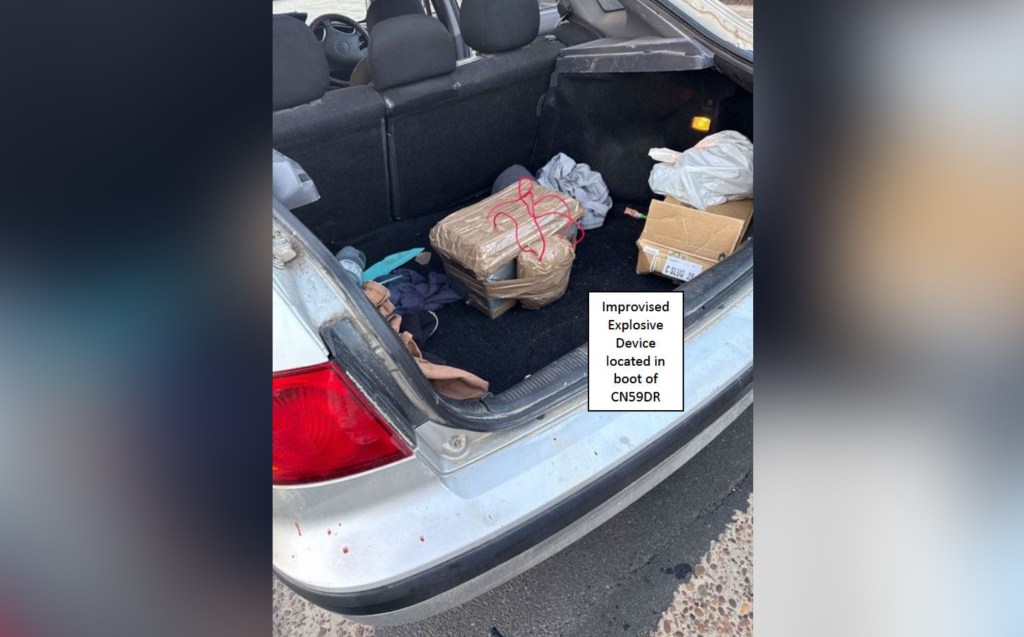
An improvised explosive device was found in a car associated with the Akrams. Photo: AAP
The pair were competent in the use of firearms but lacked the technical knowledge to operate the bombs later found by police at the scene, international security and counter-terror expert Allan Orr said.
“They were simple pipe bombs, they just needed to be ignited,” he said.
“You could have probably tripled or quadrupled the body count if those bombs had gone off.”
Orr said authorities missed multiple opportunities ahead of the December 14 attack.
These included the fact the pair travelled to a known terrorism hot spot in the Philippines, their phones were not tracked, they were able to obtain six guns despite Naveed Akram having been on a watch list and they were able to survey the area in the days before.
“This is a multilayered failure on every level,” he said.
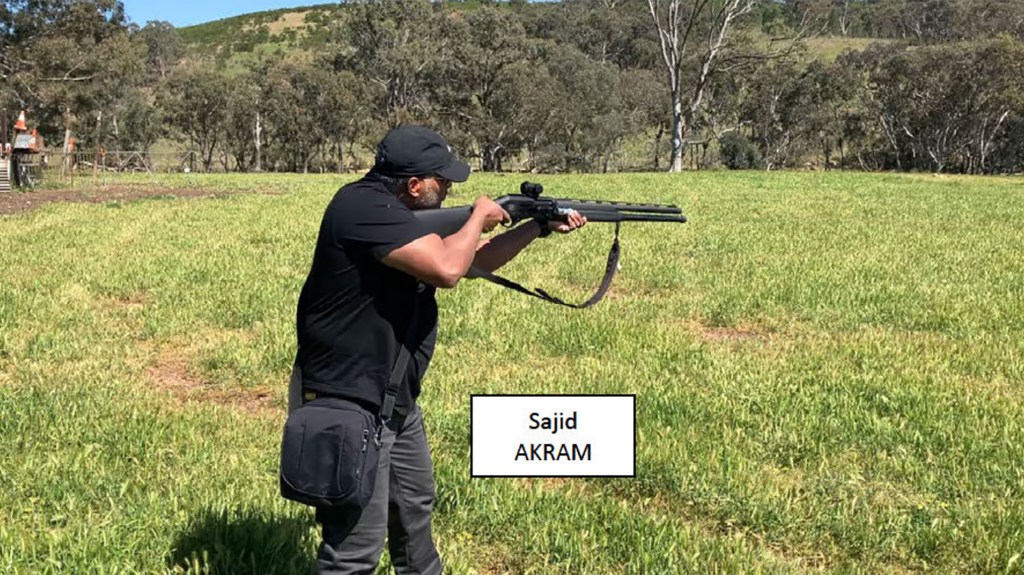
Sajid Akram’s trip to the Philippines was a “huge red flag”, an expert says. Photo: AAP
Orr described the father and son’s trip to the archipelago in the month before the massacre as a “huge red flag”.
“This was an intelligence failure of 9/11 proportions in terms of surprise … but it was entirely predictable,” he said.
Police allege the gunmen used two single-barrel shotguns and a Beretta rifle in their attack, as well as three failed pipe bombs filled with steel ball bearings and a “tennis ball bomb”.
It is alleged they scoped out the massacre site about 48 hours before their attack.
Radicalisation, extremism and terrorism expert Clarke Jones also said the “well planned, sophisticated plot” could have had an even more catastrophic outcome.
Religious extremism and radicalisation expert Josh Roose suggested the pair’s relationship as father and son made them a “remarkably unique outlier” and their “reasonably sophisticated” planning meant they might have avoided the attention of authorities.
“The way they moved and operated showed a basic level of tactical training,” Roose said.
Prime Minister Anthony Albanese has resisted calling a national royal commission while backing a state-based inquiry and launching a more limited review into federal intelligence and law enforcement agencies.
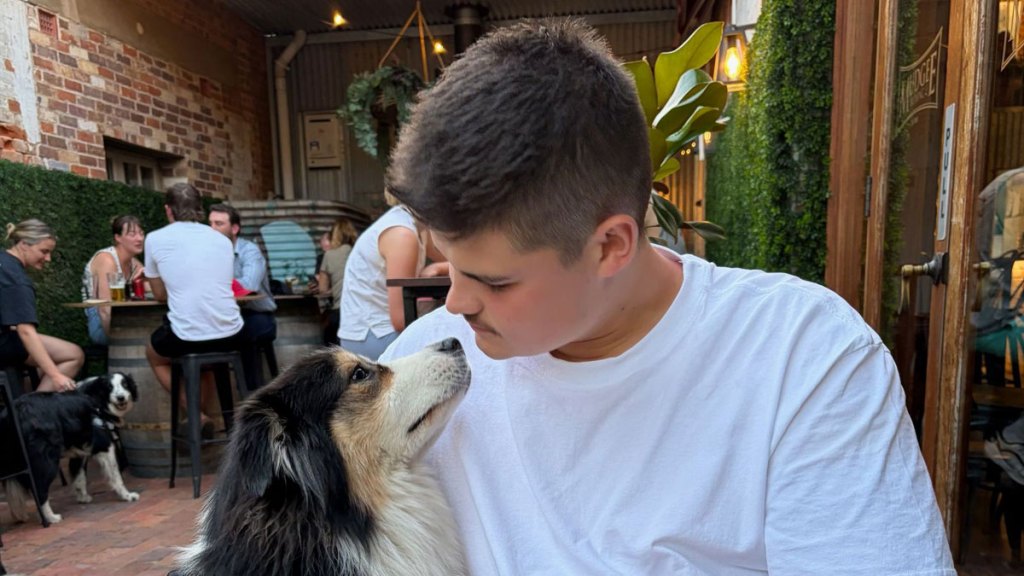
Probationary Constable Jack Hibbert was seriously injured in the Bondi shooting. Photo: NSW Police
Wounded constable home for Christmas
Twelve people injured in the shootings remain in hospital, including two in critical but stable conditions.
Probationary Constable Jack Hibbert, who was injured in the attack, was the latest to be released from hospital on Tuesday.
“Having our Jack home, especially for Christmas, truly feels like a miracle,” his family said.
They also expressed deep gratitude for “overwhelming support” from the community, Jack’s colleagues and friends, and the emergency services.
“The care and dedication shown by the medical staff has been nothing short of exceptional,” the family statement said.
Hibbert’s colleague, Constable Scott Dyson, has awoken from a medically induced coma after almost daily surgery for his injuries from the shooting.
Source: SMH
Elusive unified response
Australians are looking for reassurance from political leaders after the Bondi massacre and not partisan point-scoring, a leading pollster says.
Hopes of a bipartisan response to the Bondi massacre have evaporated with the federal opposition taking aim at the government for failing to stamp out anti-Semitism.
Having also been roundly criticised by the Jewish community, Albanese’s net performance rating dropped 15 points to -9 following the massacre, according to a Resolve poll published in Nine newspapers.
His net likeability fell 14 points to -5.
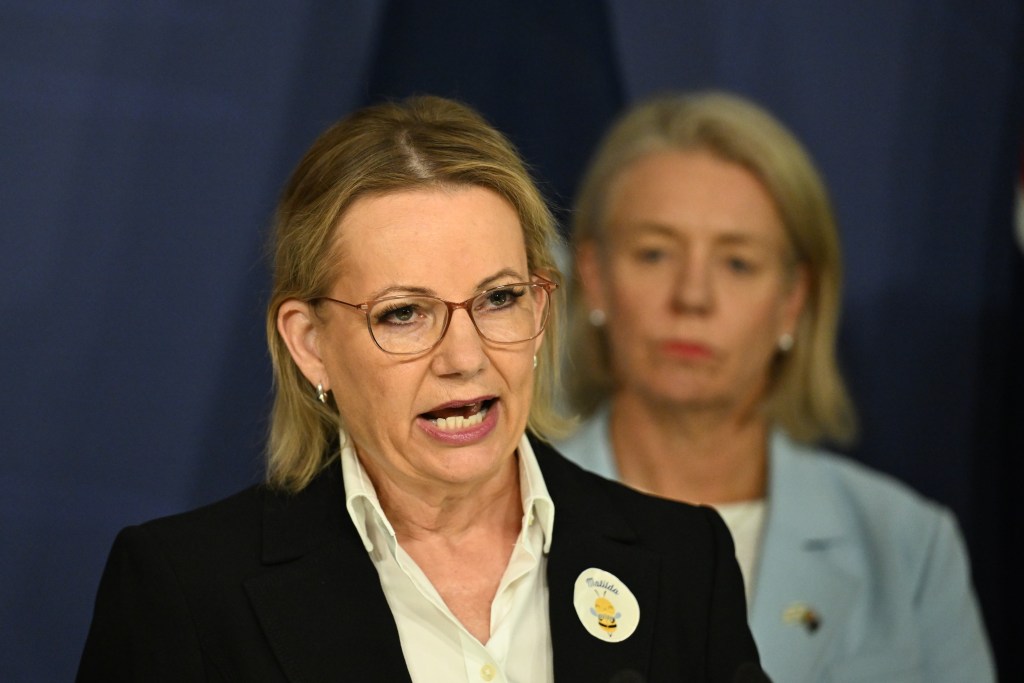
Opposition Leader Sussan Ley has criticised the government over efforts to stamp out anti-Semitism. Photo: AAP
Opposition Leader Sussan Ley’s performance rating dropped seven points to -4, while her likeability dropped from eight to one, following her politically charged statements against Labor and Albanese.
“Australians don’t want a partisan political debate on this, they want a response that’s unified, that reassures them they’re going to be safe,” pollster Kos Samaras said.
But the jury was still out on whether people would see Albanese as having done enough to keep them safe from hate groups, he said.
“If his government deals with these groups swiftly, that would go a long way to convincing Australians the response is commensurate to the events,” Samaras said.
Ley has defended her criticisms, saying she didn’t apologise for standing up for the Jewish community and would continue to push for a royal commission and stronger action.
“I’m not going to tolerate the empty rhetoric and weak response that we’ve seen from this Albanese government. I am angry that they have failed this community,” she said.
Albanese pushed back, noting bipartisan responses to previous crises such as the Port Arthur massacre.
“This is a time where partisanship of any level should be not appropriate, in my view,” he said.
Samaras said Australia wasn’t like the US, with most people backing gun reform and not wanting partisan theatre.
He said Ley and the Coalition could seek advice from former Liberal PM Scott Morrison about his mistakes during the pandemic.
“He made it a partisan exercise in the middle of an existential crisis,” he said.
“They’re just basically creating more problems for themselves; they are yet to put a right foot forward after the election.”
Albanese has invited Israeli President Isaac Herzog to visit Australia after expressing his “profound shock and dismay” over the Bondi attack during a phone conversation.
The government on Wednesday launched the first phase of the National Hate Crimes and Incidents Database.
Agreed to by national cabinet to address a rise in antisemitic offences, it provides information on individuals charged under hate crimes legislation in all Australian jurisdictions to help governments co-ordinate their responses.
Lifeline 131 114
beyondblue 1300 224 636
Want to see more stories from The New Daily in your Google search results?
- Click here to set The New Daily as a preferred source.
- Tick the box next to "The New Daily". That's it.