Ice, cocaine, heroin consumption highest on record
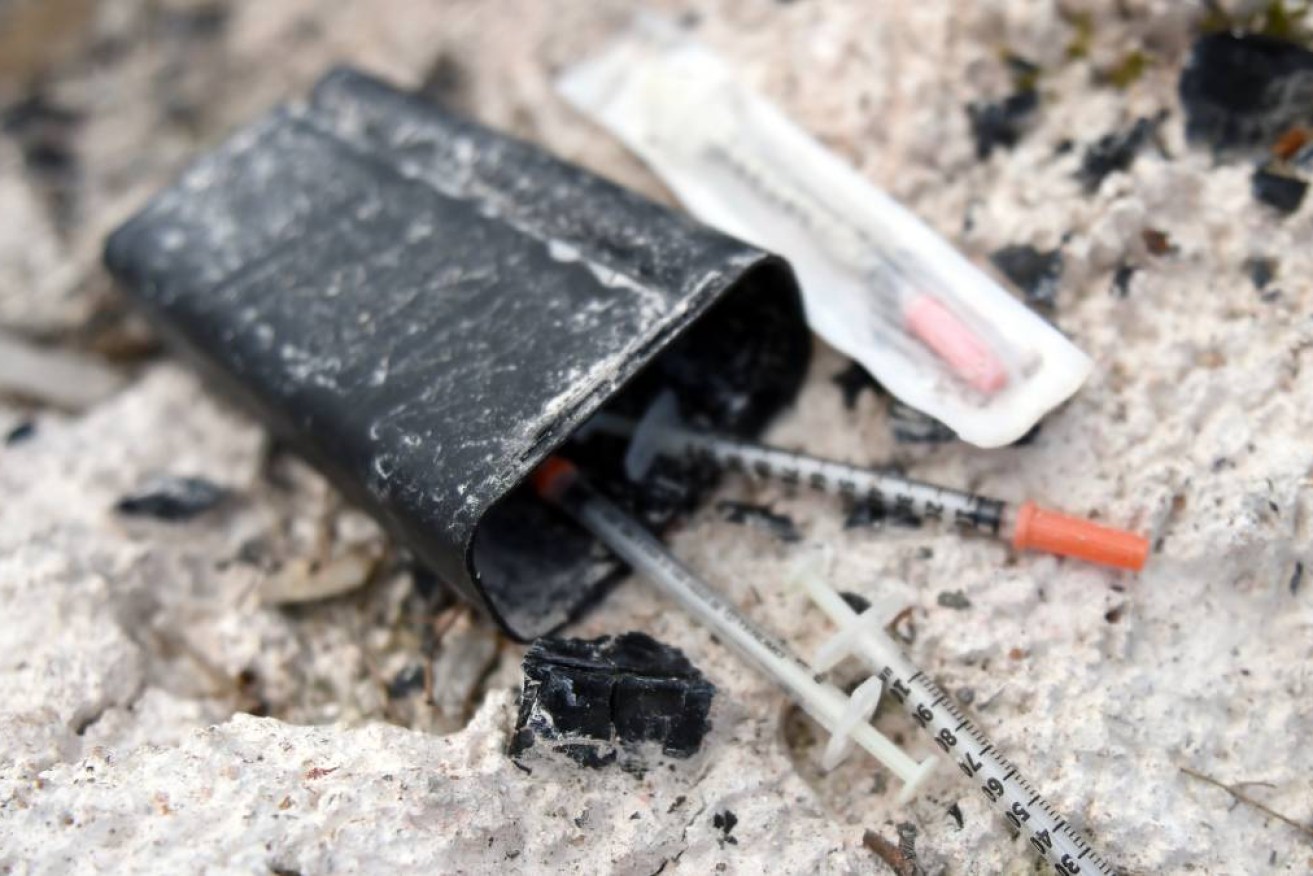
The latest wastewater analysis has pointed to increased illicit drug use across Australia. Photo: AAP
Australia’s insatiable appetite for illicit drugs is fuelling demand from international crime groups and drug dealers cashing in on the lucrative market.
Analysis of wastewater by the Australian Criminal Intelligence Commission, in partnership with universities, detected a growth in consumption of major illicit drugs around the nation.
Methylamphetamine (ice), cocaine and heroin were all found at record highs in the latest analysis, since studies began in 2016.
More than 22 tonnes of those three drugs, as well as MDMA (ecstasy), was consumed in Australia in the year to August 2024, according to the wastewater analysis.
It has boosted the illicit drug trade and the profits for organised criminals, with an estimated $11.5 billion being spent.
Ice consumption rose to an estimated 12.8 tonnes.
Cocaine use increased almost 70 per cent, MDMA almost 50 per cent, and heroin almost 15 per cent.
The commission’s drug specialist, Shane Neilson, said the market was rebounding after consumption dropped amid tighter border controls and lockdowns during the Covid-19 pandemic.
Large profits from a consumer base willing and able to pay higher prices than other global markets were driving the business.
Drug traffickers threw tonnes of product at Australia’s borders, knowing whatever got through made enough money to outweigh losses from seizures, some of which outweighed total detected annual consumption, Neilson said.
“It’s just a relentless determination of transnational and domestic serious and organised crime groups to continue to supply the Australian market,” he said.
Organised crime groups are also thought to be fuelling a rise in illicit tobacco. But while nicotine consumption reversed a decline in the second half of 2024, it’s impossible to determine what proportion of it was bought on the black market.
Ketamine use is also on the rise.
Forensic analysts believe the majority of the general anaesthetic being consumed is imported and illicit, with the drug’s use in medical and veterinary settings less prevalent.
It’s the same for cannabis, despite thousands of people being medically prescribed.
“Although the number of users of medicinal cannabis is increasing, it’s small relative to the overall use of cannabis,” Neilson said.
The nation’s multibillion-dollar splurge on illicit drugs sends profits solely to organised criminals, the crime commission said.
“There is no taxation on these profits, and economically it does have an impact,” Neilson said.
The latest National Drug Strategy Household Survey suggests nearly one-in-two Australians aged 14 and over (10.2 million people) had illicitly used a drug at some point in their lifetime, including the non-medical use of pharmaceuticals.
An estimated one in five (3.9 million) used in the past 12 months.
-AAP