Earth Hour turns 20 at pivotal moment in climate action
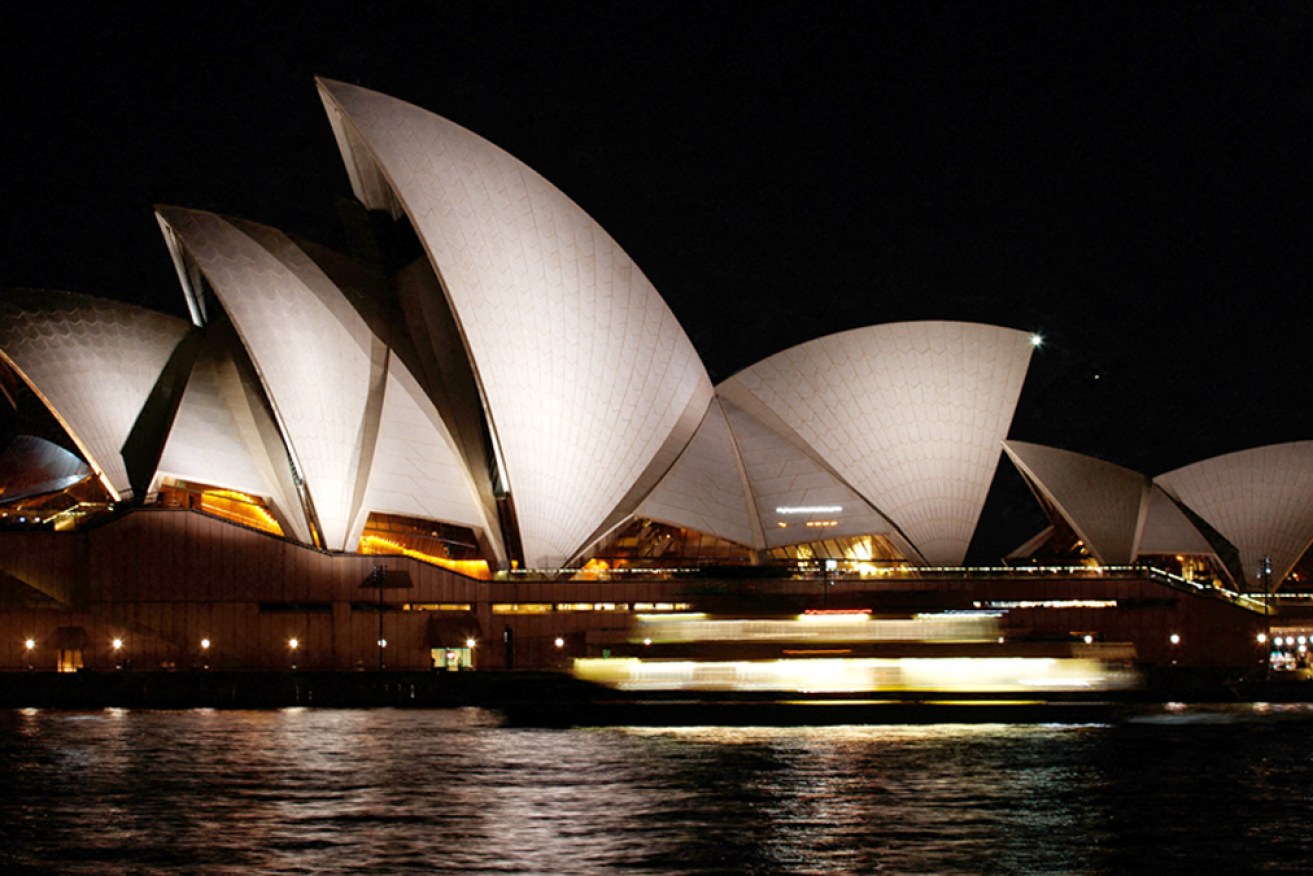
The Sydney Opera House ahead of switching off the lights for Earth Hour in 2024. Photo: AAP
Twenty years ago, Sydney was the birthplace of one of the world’s best-known viral environment campaigns.
In 2007, public awareness of climate change was sharpening.
Scientific consensus on the culprit – human greenhouse gas emissions – was hardening and former US vice president Al Gore’s landmark documentary An Inconvenient Truth was making waves.
At the same time, scepticism and denial was still prevalent.
Earth Hour, spearheaded by the World Wildlife Fund, Leo Burnett and Fairfax Media, was aimed at rallying the public behind the climate cause through a highly visible, symbolic gesture of their support: Switching off the lights.
More than 2.2 million people and 2000 businesses in Sydney took up the cause and stayed in the dark for an hour.
Such was the impact, the campaign rapidly spread worldwide to become an annual calendar fixture.
WWF global president Adil Najam, who is in Australia to meet local colleagues, said Earth Hour’s message was about far more than conserving energy.
“It is clear that, you know, one hour once a year, is not what’s going to save the planet,” he said.
Earth Hour was more about reminding people they had the agency to contribute to something bigger, he said.
It also kept pressure on governments to act on climate and environmental issues by illustrating the scale of support.
The high-profile environmental group has long encouraged participants to go beyond the hour without non-essential lights and pair it with tangible action, such as joining community cleanups or tree-planting projects.
Reflecting on the climate and environment movement in 2026, Najam said Earth Hour’s call to action had never been more pivotal.
The planet is already living through the consequences of climate change: World Meteorological Organisation data shows the past 11 years have been the hottest on record, fuelling weather extremes, sea level rise and stressed coral reefs and other ecosystems.
Yet the world also has the affordable clean-energy technologies necessary to move away from fossil fuels.
The transition is well under way but not fast enough to meet international commitments to limit warming to 1.5 degrees above pre-industrial temperatures.
Najam said it time to be more hard-nosed about action and impact, a notion reflected in last year’s United Nations climate talks in Brazil dubbed the “Implementation COP”.
“Moving from meeting to meeting and report to report is extremely important,” he said.
“But unless it translates into action and unless action can demonstrate impact, we are in danger of not only losing momentum but losing our moment on Earth.”
Najam will be in Sydney for the 20th anniversary of Earth Hour to watch the Opera House plunge into darkness, followed by other recognisable monuments and buildings worldwide.
“The Sydney Opera House has, in many ways now, become the symbol of the Earth in ways that people certainly may not fully even recognise,” he said.
Australia’s lights will go off from 8.30pm-9.30pm AEDT on Saturday.
-AAP
Want to see more stories from The New Daily in your Google search results?
- Click here to set The New Daily as a preferred source.
- Tick the box next to "The New Daily". That's it.