How matching personality to exercise can change our health outcomes
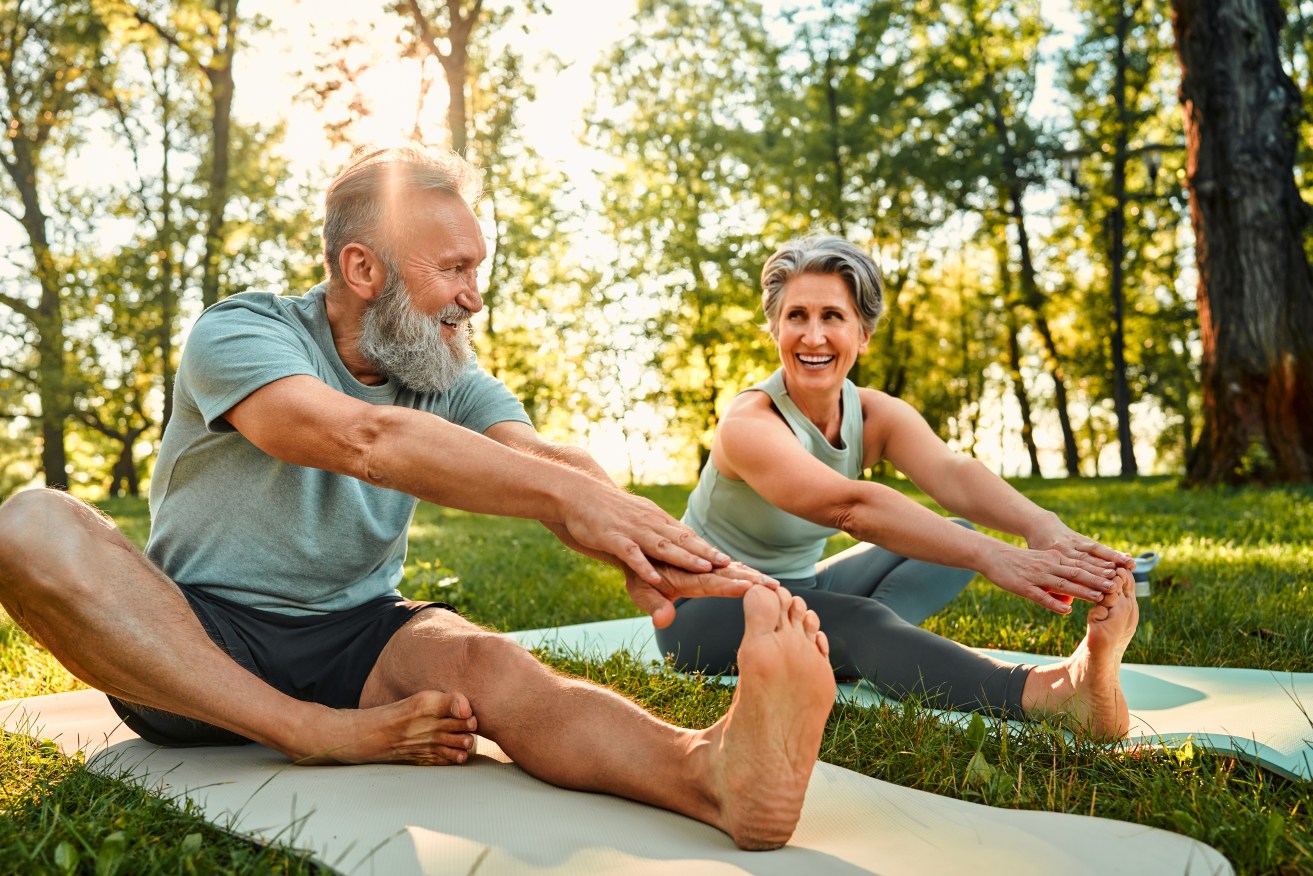
With a sedentary lifestyle on the rise, now, more than ever, it’s important to find exercise that’s motivating and engaging.
For some people, the idea of liking exercise is laughable.
But researchers in the UK have found that matching your workouts to your personality could actually make exercising more enjoyable.
Regular physical activity can help prevent cardiovascular diseases, diabetes and certain types of cancer. In adults, physical exercise can also enhance well-being and reduce symptoms of depression and anxiety.
World Health Organisation guidelines suggest that adults aged 18-64 should undertake regular physical activity of at least 150 to 300 minutes a week.
Almost one-third of adults around the world fail to meet these guidelines, with that number expected to rise to 35 per cent by 2030.
With a sedentary lifestyle on the rise, now, more than ever, it’s important to find exercise that’s motivating and engaging.
“We hope that if people can find physical activities that they enjoy they will more readily choose to do them,” said Professor Paul Burgess from University College London’s Institute of Cognitive Neuroscience and senior author of the study.
Participants in the research were first tested in a lab for their baseline fitness. They were then split into two groups.
A control group continued their usual lifestyle and routine. The “intervention group” was given an eight-week fitness plan consisting of cycling and strength training.
Throughout the study, participants completed questionnaires on how much they enjoyed each exercise session.
The team focused on personality traits such as conscientiousness, openness, agreeableness and extraversion or how social the participants were.
“We found that our personality can influence how we engage with exercise, and particularly which forms of exercise we enjoy the most,” according to first author Dr Flaminia Ronca from the UCL’s Institute of Sport, Exercise and Health.
The results show that people scoring high on extraversion enjoyed team sports and high-intensity sessions with others around.
Personalities that scored high on neuroticism, characterised by negative emotions like anxiety and self-doubt, tended to prefer private workouts with short breaks in between.
“Our brains are wired in different ways, which drives our behaviours and how we interact with our environment,” Ronca said.
“It’s not surprising that personality would also influence how we respond to different intensities of exercise.”
Participants who scored highly on openness were found to engage in exercise regardless of whether they particularly enjoyed it.
“Understanding personality factors in designing and recommending physical activity programs is likely to be very important in determining how successful a program is, and whether people will stick with it and become fitter,” Burgess said.
One interesting finding was the relationship between stress and change in fitness.
Before the invention, the stress levels of both groups were similar, but after the invention people who scored high in neuroticism showed a strong reduction in stress.
“It’s fantastic news,” Ronca said. “It highlights that those who benefit the most from a reduction in stress respond very well to exercise.”
The most important part about exercising for the individual is not to be disheartened and keep searching until they find exercise that’s enjoyable and suits their personality trait, the researchers say.
“After all, we don’t have to nag dogs to go for a walk,” Burgess said.
“Being so physically inactive that we start to feel miserable might be a peculiarly human thing to do. In effect, our body punishes us by making us miserable. But for some reason, many of us humans seem poor at picking up on these messages it is sending to our brain.”
This article first appeared in Cosmos Magazine. Read the original here
Want to see more stories from The New Daily in your Google search results?
- Click here to set The New Daily as a preferred source.
- Tick the box next to "The New Daily". That's it.